How to Keep Cut Flowers Fresh Longer: Why the First Hour Matters Most

Cut flowers don’t last as long as most people want them to. A bouquet that looked stunning at the florist can start drooping within two or three days if it’s handled carelessly. With the right techniques, though, many arrangements can stay vibrant for one to two weeks — sometimes longer. Here’s what actually works, and why.
Start Right: What You Do in the First Hour Matters Most
The moment stems are cut, they begin drawing air into their vascular tissue instead of water. That air blockage — called an embolism — is one of the main reasons flowers wilt fast. Addressing it immediately gives you a major head start.
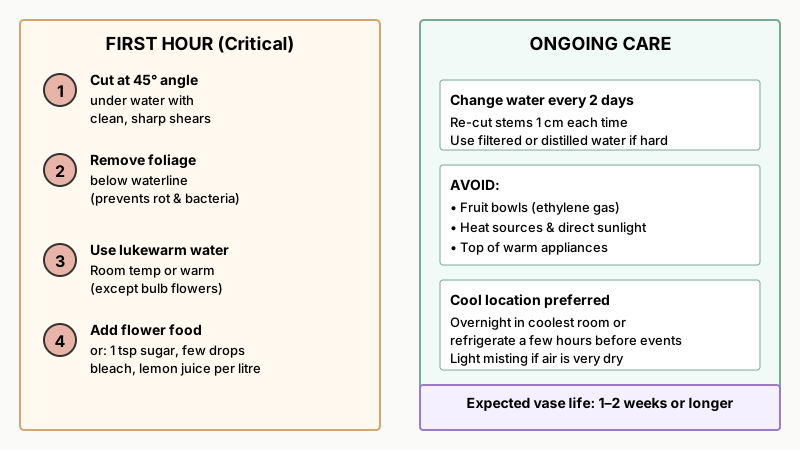
Cut stems at an angle under water. Use sharp, clean scissors or pruning shears and make a diagonal cut (about 45 degrees) while the stem is submerged in a bowl of water, then transfer quickly to your vase. The angle increases surface area for uptake and prevents the stem from resting flat on the bottom, which would block the opening.
Strip foliage below the waterline. Leaves sitting in water rot quickly, and decaying plant matter breeds bacteria that clog stems and foul the water. Remove any leaf or side shoot that would be submerged.
Use lukewarm water, not cold. Room-temperature or slightly warm water moves through stems more readily than cold water. The exception is bulb flowers like tulips and hyacinths, which prefer cold water.

Water Quality and Flower Food
Commercial flower food packets — the little sachets florists include with bouquets — actually do work. They typically contain three things: a sugar (energy for the blooms), an acidifier (which lowers pH so water travels up stems more easily), and a biocide (to kill bacteria). Using them as directed is one of the simplest ways to extend vase life.
If you don’t have a packet, you can approximate the formula:
- 1 teaspoon of sugar per litre of water provides energy
- A few drops of bleach (about 1/4 teaspoon per litre) kills bacteria
- A squeeze of lemon juice lowers pH
This homemade version isn’t quite as refined as commercial flower food, but it’s measurably better than plain tap water. Researchers at the Royal Horticultural Society have noted that biocides in flower preservatives are particularly effective at slowing stem blockage.
Change the water every two days. This is non-negotiable. Even with preservatives, bacteria multiply and the water becomes murky. When you change it, re-cut the stems by about a centimetre to open fresh uptake channels.
Avoid mineral-heavy or softened water. Hard tap water with high mineral content can interfere with stem function. If your tap water is noticeably hard, filtered or distilled water will get better results.
The same principle of clean water and cold temperatures slowing spoilage applies to produce too, as explained in How to Store Cut Vegetables and Keep Them Fresh.
Location, Light, and Temperature
Where you place the vase has a larger effect than most people expect.
Keep Flowers Away from Heat Sources
Ethylene gas is the main enemy here. Ripening fruit produces it, heaters and fireplaces radiate heat that speeds up ethylene production in the blooms themselves, and direct sunlight warms the water and accelerates bacterial growth. Keep your arrangement away from:
- Fruit bowls (bananas and apples are especially high ethylene producers)
- Heating vents and radiators
- Direct sunlight through windows
- The top of appliances that generate heat (televisions, refrigerators)
Cool Nights Extend Vase Life Significantly
Floral industry studies consistently show that cool storage dramatically slows deterioration. Florists keep their stock between 1°C and 4°C. You can’t replicate that at home, but you can place your vase in the coolest room overnight, or even pop it in the refrigerator for a few hours — particularly useful if you’re preparing flowers the night before an event. If you refrigerate them, keep them away from fruit (ethylene again).
Moderate Humidity Helps
Dry air, particularly from air conditioning or central heating, accelerates wilting through the petals themselves — flowers lose moisture through their surface as well as via the stem. If your home is very dry, misting petals lightly with water can help, though it’s worth avoiding this with flowers that mark easily, like roses in full bloom or gardenias.

If you’re curious how humidity and storage conditions affect freshness in other parts of the kitchen, How to Store Bread and Revive a Stale Loaf at Home explores a similar trade-off.
Species-Specific Tips That Make a Real Difference
Not all flowers age the same way, and treating them identically is a mistake.
Roses
Roses suffer badly from bent-neck syndrome — the head droops even when the rest of the plant looks fine. This is almost always caused by a stem blockage. If it happens, re-cut the stem deeply, plunge the entire stem into warm water up to the flower head for 30–60 minutes, then return it to the vase. Removing guard petals (the outer, slightly damaged petals) also helps roses open properly.
Tulips
Tulips keep growing after cutting — they can gain several centimetres in the vase. They also bend dramatically toward light, so rotate the vase every day if you want them to grow straight. Cold water and a cool room are key. A trick florists use: wrap a bunch tightly in newspaper and stand it in deep cold water for a few hours to train them upright.
Lilies
Remove the pollen-bearing anthers as soon as the flowers open. Lily pollen stains fabric and surfaces, but it also shortens the flower’s life when it falls on the petals. Snip the anthers off cleanly before they release.
Hydrangeas
Hydrangeas absorb water through their petals as well as their stems. If they wilt, submerge the entire flower head in room-temperature water for 30 minutes — this often revives them completely. Some florists also score the base of the thick stems with a knife to improve uptake.
Woody-Stemmed Flowers (Lilac, Viburnum)
Woody stems don’t absorb water efficiently through a straight cut. Smash or split the bottom few centimetres of the stem with a hammer, or make several vertical cuts up the base to dramatically increase surface area.
Common Mistakes That Shorten Flower Life
A few habits silently undermine even well-prepared arrangements.
Using a dirty vase. Old vases harbour bacterial biofilm that contaminates fresh water almost immediately. Scrub vases with hot soapy water between uses — or add a small amount of bleach solution and rinse thoroughly.
Overcrowding. Stuffing too many stems into one vase restricts air circulation and causes bruising as the flowers move, which releases ethylene and speeds decay.
Ignoring dead flowers. One wilting flower in a mixed arrangement produces ethylene that accelerates the decline of everything around it. Remove fading blooms promptly.
Using scissors that crush rather than cut. Dull blades compress the vascular tissue at the base of the stem rather than making a clean cut, reducing water uptake noticeably. Dedicated floral scissors or a sharp knife make a genuine difference.

Reviving Wilted Flowers: Triage for Drooping Blooms
If an arrangement has started to droop but the flowers aren’t fully done, try this sequence:
- Re-cut all stems under water at a fresh angle.
- Fill the vase with fresh lukewarm water and flower food.
- Wrap the entire bouquet loosely in newspaper, with the paper covering the flowers but leaving the base of the stems free.
- Stand the wrapped bouquet in deep water up to the base of the flower heads for two to four hours.
- Remove the paper and return the flowers to the vase.
This technique works by combining fresh cut surfaces, good hydration pressure, and the support of the paper to hold drooping stems upright while they rehydrate. It reliably rescues roses, gerberas, and most soft-stemmed flowers.
Choosing Flowers That Last
If longevity is your priority when buying or cutting, some species simply hold up better than others. Chrysanthemums regularly last two to three weeks with basic care. Alstroemeria (Peruvian lily) is another strong performer, lasting well over a week even with minimal attention. Carnations are underrated — they can last two weeks or more and tolerate variable conditions better than most roses.
On the other end: sweet peas, anemones, and daffodils are short-lived by nature. Daffodils also secrete a sap that is toxic to other flowers in the same vase; if you want to mix them, condition them separately in water for 12 hours first and rinse the stem ends before adding them to a mixed arrangement.
The Takeaway
Keeping cut flowers fresh longer isn’t a mystery — it’s mostly about managing water uptake, bacteria, and temperature. A clean vase, a fresh cut, good-quality water with preservative, and a cool spot away from fruit and direct sun will outperform most tricks and gadgets. From there, small adjustments for each species make the difference between a bouquet that lasts three days and one that’s still looking good after twelve.