How to Get Rid of a Musty Smell in a Car: Fixing It Costs Under $20

Getting into your car and being hit by a damp, stale odor is one of those low-grade annoyances that somehow makes every drive worse. The good news: musty car smells are almost always fixable, and most solutions cost less than $20 and take an afternoon.
This guide covers why the smell happens, how to track down the source, and which treatments actually work — ranked from the quickest fixes to the most thorough.
Why Your Car Smells Musty in the First Place
Musty odors in cars come from one thing: mold and mildew. Both are fungi that produce microbial volatile organic compounds (mVOCs) — the chemical signature your nose reads as “damp and musty.” They grow wherever moisture meets an organic surface and sits undisturbed.
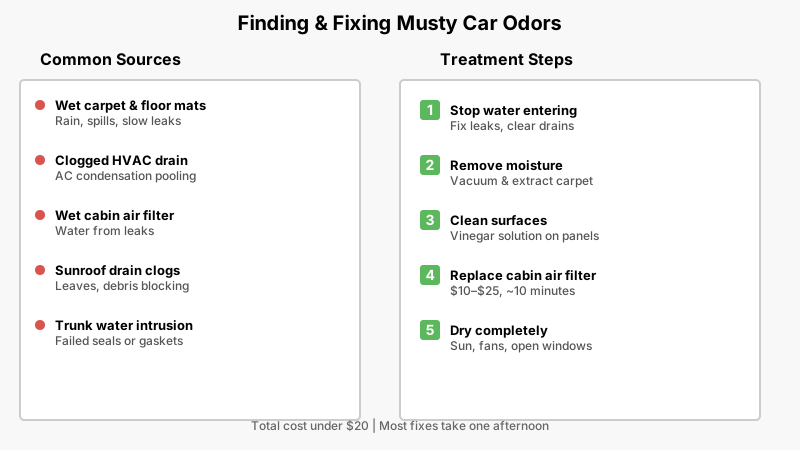
The most common culprits:
- Wet floor mats or carpet — Rain water tracked in, a spilled drink, or a slow leak can soak the carpet padding underneath. That padding holds moisture for days, even when the surface feels dry.
- A leaking HVAC system — The evaporator core inside your dashboard sweats condensation during air-conditioning. If the drain tube gets clogged, water pools in the heater box and mold grows directly inside the vents. This is why the smell is often strongest when you first turn the AC on.
- A wet cabin air filter — If moisture from a leak reaches the air filter housing, a soaked filter becomes a mold colony that blows spores into the cabin every time the fan runs.
- A sunroof drain clog — Most sunroofs have four drain channels routed through the A and C pillars down to drain holes in the door sills. When those clog with leaves and debris, water backs up and soaks the headliner or pillar trim.
- Trunk water intrusion — A failed trunk seal or cracked tail-light gasket lets rain pool in the spare-tire well, unseen and unventilated.
- Forgotten organic material — A gym bag left in a hot car, a child’s dropped food, a pet blanket — organic matter + heat = rapid mold growth.
Identifying which source applies to your car determines how you attack it.

Step 1 — Find and Eliminate the Moisture Source
Masking the smell without fixing the source is pointless. Two weeks after you bomb the interior with an odor eliminator, the smell will be back.
Check the carpet and floor mats first. Pull up the rubber or fabric floor mats and press a dry cloth against the carpet. If it comes up damp, you have trapped moisture in the padding. Run your hand along the door sill seals and check the base of the windshield for any cracks or gaps where water could enter.
Check the HVAC drain tube. Look under the passenger side of the car, near the firewall. There should be a rubber drain tube (sometimes called a condensate drain or evaporator drain). If it’s clogged with sludge, water is sitting in the HVAC box. You can often clear it by poking a stiff wire up the tube or flushing it with a garden hose.
Inspect the sunroof drains. Pour a small cup of water into each front corner of the sunroof tray and watch where it goes. It should drain out near the front wheels within a few seconds. If it backs up into the headliner, the drain is blocked. A flexible drain-cleaning tool or compressed air can clear most clogs.
Examine the trunk. Press down on the carpet in the spare-tire well. If you feel squishiness or see standing water, trace the path back to the tail-light seals or trunk lid weatherstripping.
Once you’ve stopped new water from entering, you can start treating the smell.
Step 2 — Deep Clean the Interior
Odor treatment won’t work well on a dirty surface. Before applying any product, clean everything.
Remove and wash the floor mats
Take out every mat. If they’re rubber, scrub them with dish soap and a stiff brush, rinse thoroughly, and leave them in the sun to dry completely — at least a few hours. Fabric mats can go through a washing machine on a warm cycle.
Extract the carpet
A wet/dry shop vacuum is the single most useful tool for musty car odors. Vacuum the carpet thoroughly, then go over damp spots again in extraction mode if your vac supports it. If you have access to a carpet extractor or steam cleaner, use it — steam reaches the padding underneath and kills mold spores that surface cleaning misses.
Wipe down hard surfaces
Mold can grow on door panels, under seats, and in cup holders. Wipe all hard surfaces with a dilute white-vinegar solution (roughly 1 part vinegar to 1 part water) or a purpose-made automotive interior cleaner. Vinegar is effective against mold at this dilution and doesn’t leave a strong residue once it dries.
Replace the cabin air filter
This is often skipped but matters enormously. A cabin air filter costs $10–$25 and takes about 10 minutes to swap out on most cars. If the old filter looks discolored, feels damp, or has any visible growth, replace it immediately rather than cleaning it.

Step 3 — Treat the Odor Directly
With the source addressed and the interior cleaned, these treatments eliminate residual smell.
Baking soda (cheap and effective for carpet)
Sprinkle a generous, even layer of baking soda across the carpet and upholstery. Leave it for 8–12 hours — overnight works well. Then vacuum it up thoroughly. Baking soda absorbs odor molecules rather than masking them. It won’t fix a mold colony, but it’s excellent at clearing residual mustiness after you’ve done the cleaning.
Activated charcoal
Placed in a mesh bag or open container inside the car, activated charcoal (the same type sold for aquarium filters and odor absorbers) adsorbs volatile compounds over several days. It works slowly but persistently and is useful for ongoing odor management. Replace or reactivate it (by setting it in direct sunlight for a few hours) every few months.
White vinegar bowl method
Leave a bowl of undiluted white vinegar in the car overnight with the windows closed. The acetic acid neutralizes many odor compounds. The vinegar smell dissipates within a few hours once you air the car out in the morning. This sounds too simple to work, but it genuinely helps with mild to moderate odors.
Enzyme-based odor eliminators
Products containing enzymatic formulas (look for “enzyme” or “bio-enzymatic” on the label) break down the organic compounds that cause musty smells at a molecular level. Brands like Zero Odor, Rocco & Roxie, and Bio-Kleen have solid reputations in this category. Spray generously onto carpet and upholstery, let it dwell for the time specified on the label, and allow to air dry fully. Enzyme products work best on organic odors (food, pets, mold) and are worth the extra cost over generic air fresheners.
If musty odors are a recurring problem in your home too, How to Clean a Washing Machine: Fixing That Musty Odor tackles the same kind of trapped moisture and mildew smell in another everyday appliance.
Ozone treatment
An ozone generator is the most aggressive option for severe, persistent odors. Ozone (O₃) oxidizes odor-causing molecules and kills mold. You place the machine inside the car, seal the windows, run it for 15–30 minutes, and then ventilate the car thoroughly before anyone enters — ozone at high concentrations is a respiratory irritant. Some detailing shops offer ozone treatments for around $50–$100 if you’d rather not buy the equipment. This is not a first resort, but for truly stubborn mold smells it’s highly effective.
Important: Ozone does not replace fixing the moisture source. If you ozone a car that still has a clogged HVAC drain, the smell returns within weeks.
Step 4 — Treat the HVAC System
If the odor is strongest from the vents, the mold is inside the HVAC system and cleaning the cabin alone won’t fix it.
The most practical solution for most people is an evaporator coil cleaner spray — products like Wynn’s Air Con Fresh or Neutradol Car HVAC Odour Eliminator, or similar aerosol products sold at auto-parts stores. You spray the product into the fresh-air intake (usually located at the base of the windshield under the wiper arms, or through the cabin-air-filter housing) while the HVAC fan is running on recirculation. The aerosol coats the evaporator fins and kills surface mold.
For stubborn or recurring HVAC mold, a mechanic can physically clean the evaporator coil — this involves partial disassembly of the dashboard and costs more, but it’s the only way to guarantee the source is gone if aerosol treatments haven’t worked.
One preventive trick: at the end of every drive, switch the AC off but leave the fan running on fresh-air mode for 2–3 minutes before you park. This dries the evaporator fins and dramatically slows mold growth.

Step 5 — Dry Everything Out Completely
None of the treatments above stick if moisture remains. After cleaning:
- Park in the sun with the windows cracked for several hours. Solar heat drives moisture out of padding and upholstery far more effectively than fan drying alone.
- Use a portable dehumidifier or desiccant pack inside the car overnight. Rechargeable silica-gel dehumidifiers (such as those made by Eva-Dry) are inexpensive and very effective for ongoing moisture control.
- Leave the doors ajar if you have a covered garage. Airflow accelerates drying.
Carpet padding can take 24–48 hours to fully dry even in good conditions. Resist the urge to replace the mats and close the car up after just a couple of hours.
When to Consider Professional Detailing
Some situations warrant professional help:
- The carpet or seat foam has visible mold growth (dark staining, fuzzy patches).
- The headliner has absorbed water and is sagging or stained.
- You’ve tried multiple rounds of treatment and the smell returns within a week.
- There’s been standing water inside the cabin (flood damage or a major leak).
A professional detailer with steam-extraction equipment and an ozone generator can handle most cases. Expect to pay $150–$400 depending on severity and location. For flood-damaged cars, a restoration specialist is a better fit — mold remediation in that scenario goes beyond detailing.
Preventing the Smell From Coming Back
A few habits make a real difference:
- Shake out floor mats weekly and don’t let wet items sit in the car.
- Replace the cabin air filter on schedule (typically every 12,000–15,000 miles, or per your owner’s manual).
- Run the HVAC dry-down cycle before parking (fan on, AC off, two minutes).
- Check sunroof drains annually in autumn after leaves have fallen.
- Inspect trunk seals whenever you notice water tracks inside the boot.
- Keep a small silica-gel dehumidifier in the car through wet seasons.
Musty car smells are stubborn but not permanent. Address the water, clean the surface, treat the residual odor, and dry everything out — do those four things in order and the problem is almost always solved.
To stop the musty smell from returning in the first place, check out How to Keep a Car Interior Clean: Stop Messes Before They Start for habits that keep spills and grime from building up.