How to Bathe a Dog at Home: Skip The Grooming Bill Forever

Bathing your dog at home sounds simple until you’re elbow-deep in suds while a soaking-wet Labrador decides the living room looks better than the tub. With the right setup and a clear sequence of steps, though, home dog baths are genuinely manageable — and they save you a grooming bill every single time.
This guide walks through everything: choosing the right shampoo, the correct water temperature, drying safely, and handling the dogs that treat bath time like a crime scene.
What You Need Before You Start
Gathering supplies before your dog even sniffs the bathroom saves a lot of chaos. Once a wet dog bolts, the window closes fast.
Essentials:
- Dog-specific shampoo. Human shampoo sits at a pH of around 5.5; dog skin runs closer to 7.5. Using the wrong one strips their natural oils and can cause dryness or irritation over time. Look for a gentle, soap-free formula unless your vet recommends a medicated version.
- A non-slip mat. Slippery tub surfaces genuinely frighten dogs. A rubber bath mat or a silicone mat on the tub floor reduces anxiety and the risk of injury.
- Two towels. One for the initial rough-dry, one for finishing.
- A hand-held showerhead or a plastic pitcher. Pouring water is quieter than a full overhead spray and easier to direct.
- Cotton balls. A small, loosely placed cotton ball in each ear keeps water out — a common cause of ear infections.
- A treat pouch or a lick mat. Smearing peanut butter (xylitol-free) or squeeze cheese on a lick mat stuck to the wall turns bath time into a distraction exercise rather than a standoff.
Optional but useful:
- A dog-specific conditioner for long or double-coated breeds
- A slicker brush or rubber curry comb for working shampoo through thick coats
- A microfiber towel, which absorbs water about four times faster than a standard cotton towel

Step-by-Step: How to Bathe a Dog at Home
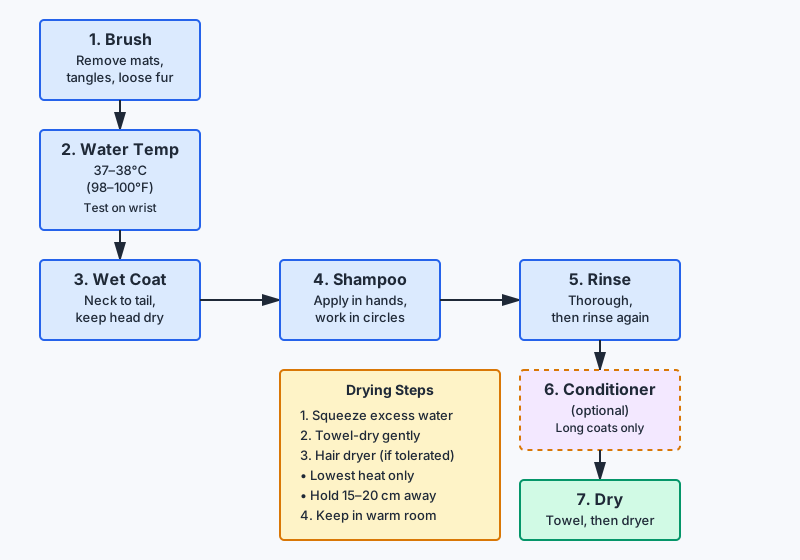
1. Brush First, Always
Bathing a matted coat makes mats worse — water causes them to tighten and felt. Before any water touches your dog, run a brush through the coat to remove loose fur, tangles, and debris. For double-coated breeds like Golden Retrievers or Huskies, this step alone can take ten minutes and is worth every second.
2. Get the Water Temperature Right
Lukewarm water — roughly 37–38°C (98–100°F) — is the target. This is close to a dog’s body temperature, so it feels neutral rather than shocking. Test it on your inner wrist the same way you’d test a baby’s bath. Cold water stresses dogs; hot water can scald thin-skinned areas like the belly and inner legs.
3. Wet the Coat Thoroughly
Start at the neck and work backward toward the tail. Keeping the head dry for now avoids the instinctive full-body shake that drenches the bathroom. Use gentle, even water pressure — high-pressure spray can be frightening, especially for first-timers.
For thick coats, part the fur with your fingers as you wet it to make sure water reaches the skin, not just the surface layer.
4. Apply and Lather the Shampoo
Dispense shampoo into your hands first rather than directly onto the coat — it distributes more evenly and avoids over-saturating one spot. Work it in with your fingertips (not nails) in circular motions, moving from neck to tail and then down each leg.
Don’t skip the underside: the belly, groin, armpits, and paw pads are where dirt and bacteria accumulate most. A gentle massage in these areas also helps your dog relax.
Now wash the face — but carefully. Use a damp cloth or your fingers with minimal shampoo to clean around the eyes and muzzle. Keep shampoo out of the eyes entirely; even “tearless” formulas cause discomfort.
5. Rinse Until You’re Sure You’re Done — Then Rinse Again
Leftover shampoo residue is one of the most common causes of post-bath itching and skin flaking. Rinse from the neck down, working the water through to the skin with your fingers. When you think you’re finished, do one more slow pass.
Pay extra attention to the armpits and groin, where shampoo pools and is hard to shift.
6. Apply Conditioner (If Using)
For long-coated breeds, a dog conditioner helps prevent tangling and static during drying. Apply it the same way as shampoo, leave it for the time specified on the bottle (usually one to three minutes), then rinse thoroughly.
7. Dry Safely and Completely
This step matters more than most people realize. A dog left damp — especially one with a thick double coat — is at risk of a skin condition called “hot spots” (acute moist dermatitis), where bacteria multiply in the trapped moisture. In humid weather, this can develop within hours.
The sequence:
- Before your dog leaves the tub, use your hands to squeeze excess water from the coat, working from the back toward the tail.
- Immediately wrap with a towel and apply gentle pressure — don’t rub vigorously, which causes tangles and can irritate the skin.
- For most dogs, a second towel-dry gets them close to damp-dry.
- If your dog tolerates a hair dryer, use it on the lowest heat setting and keep it moving — never hold it in one spot. Hold it at least 15–20 cm (6–8 inches) from the coat. High heat can burn skin quickly. A dog-specific dryer, which moves high volume of air at low heat, is a significant upgrade if you bathe large or thick-coated dogs regularly.
- Keep your dog in a warm room until fully dry, away from drafts.

Once your dog is dry and shaking loose fur everywhere, How to Remove Pet Hair from Furniture: Quick Fixes For Fabric will help you deal with the aftermath on your couch and carpets.
Handling a Dog That Hates Baths
Some dogs are genuinely bath-averse — not just mildly dramatic, but trembling-and-trying-to-escape anxious. Forcing the issue makes it worse each time. A counter-conditioning approach works better.
Start without water. Feed treats in the empty tub for several sessions before any bathing happens. The goal is to make the tub a place where good things occur.
Use a lick mat as an anchor. Stuck to the wall at nose height, a lick mat loaded with high-value food gives a dog something to do besides panic. It’s a practical focus point and a reliable distraction.
Keep first baths short. A quick rinse and rinse-off — no elaborate shampooing — followed by a jackpot of treats plants a more positive memory than a 20-minute scrub session that ends in a struggle.
Consider the location. Some dogs are less stressed in a walk-in shower than a deep tub (less of a “trapped” feeling). Very small dogs can be bathed in a kitchen sink with a spray attachment. Outdoor bathing with a garden hose works in warm weather but only with lukewarm water — cold hose water in summer is still cold.
For dogs with severe bath anxiety, consult a certified professional dog trainer or veterinary behaviorist before it becomes an entrenched phobia.
While you’re at it, bath time is also a good moment to tackle another dreaded grooming task, so check out How to Trim a Dog’s Nails Safely: Avoiding The Quick While Clipping for tips on keeping your dog calm through it.
How Often Should You Bathe a Dog?
The honest answer: it depends on the dog.
A general rule used widely by veterinary dermatologists is once every four to six weeks for most dogs without a skin condition. But this varies significantly:
- Short-coated, low-activity dogs (think Basenjis or Greyhounds) may need baths only every six to eight weeks.
- Dogs with skin conditions — allergies, seborrhea, or yeast overgrowth — may require weekly medicated baths as prescribed by a vet.
- High-activity dogs that swim or roll in mud clearly need baths more frequently, on an as-needed basis.
- Double-coated breeds like Siberian Huskies shed heavily and tend to “self-clean” more than single-coated breeds; over-bathing can disrupt the coat’s natural insulation.
Over-bathing — more than once a week without veterinary guidance — strips the skin’s natural oils and can paradoxically cause increased grease production as the skin tries to compensate.

Ear Care and Eyes: The Easy Parts People Skip
Ears are the part of dog bathing most often done poorly — either ignored or flooded with water. The goal is to clean the outer ear flap and the visible portion of the ear canal with a cotton ball, never inserting anything into the canal itself. If you notice a strong odor, dark discharge, or your dog shaking their head frequently, that points to a potential ear infection — a vet visit, not a home clean, is the right response.
For the eyes, wipe any discharge from the corners with a damp cloth before the bath. This prevents crust from getting worked deeper into the fur during washing. Never let shampoo sit near the eye area.
A Note on Products
The dog shampoo market is large and often confusing. A few practical filters:
- Avoid shampoos with artificial fragrances if your dog has sensitive skin — “natural” scents like eucalyptus or tea tree oil can actually be irritants or toxic in concentrated forms.
- Oatmeal-based shampoos are widely recommended for general use and mildly soothing for dry or itchy skin.
- Flea shampoos have a narrow use case: they kill fleas on contact but provide no residual protection. If flea control is the goal, a vet-recommended topical or oral preventative is more effective.
- Medicated shampoos (antifungal, antibacterial, or seborrheic formulas) should be used under veterinary guidance — the concentration and contact time matter for them to work.
Conclusion
Bathing a dog at home is a skill that improves with repetition and the right setup. The core principles don’t change: gather supplies before you start, use dog-appropriate products, get water temperature right, rinse thoroughly, and dry completely. Pair that with a patient, treat-positive approach and most dogs — even reluctant ones — come to accept bath time as a regular part of life.
The money saved over a year of home baths adds up quickly. More importantly, regular bathing gives you a chance to notice skin changes, lumps, or irritation early — which is genuinely useful for your dog’s health, not just their smell.