How to Zest a Lemon Without a Zester: Box Grater and Peeler Techniques

Why Lemon Zest Is Worth the Effort
Lemon zest is the most aromatic part of the fruit. The outermost layer of the peel — called the flavedo — holds tiny oil glands packed with limonene and other volatile compounds that give citrus its bright, floral punch. When a recipe calls for zest, it’s asking for that concentrated flavor, not the sour juice underneath.
The problem: most home kitchens don’t have a microplane or dedicated zester sitting in the drawer. Fortunately, four or five everyday tools do the job just as well — and one of them you almost certainly already own.

Method 1: Box Grater (The Most Reliable Substitute)
A standard box grater, the kind used for cheese and vegetables, is the best zester replacement in most kitchens. Use the smallest holes — usually found on one of the narrower sides, sometimes labeled for nutmeg or ginger.
How to do it:
- Wash the lemon thoroughly under warm water and pat it dry. Any wax or residue on the skin will transfer directly into your food.
- Hold the box grater steady on a cutting board or place it over a bowl.
- Drag the lemon across the fine side using short, firm strokes. Rotate the fruit as you go so you’re always working on fresh, unzested peel.
- Stop as soon as you see white. The white pith beneath the flavedo is bitter and chalky — you want none of it.
- Use a pastry brush or clean toothbrush to sweep the zest clinging to the back of the grater into your bowl.
One medium lemon typically yields about one tablespoon of zest this way — the same as a microplane.
Method 2: Vegetable Peeler and Knife
This is the most precise method, and it gives you a choice: fine mince for baking, or wide strips for cocktails and infused oils.
How to do it:
- Peel long strips from the lemon, working from top to bottom and applying only light pressure. You want the thin, yellow layer — not a thick slab of pith.
- Lay each strip flat on the cutting board. If there’s visible white on the underside, turn the strip over and gently scrape it away with the back of your knife.
- Stack the strips and slice them into thin matchsticks, then rotate and mince them finely — or leave them as wide ribbons for garnish.
This method is actually superior to a microplane if you need zest for infusing oils or steeping in cream, because the larger surface area releases flavor gradually rather than all at once.

Method 3: Fine Cheese Grater or Nutmeg Grater
A flat, handheld fine grater — the type often sold for parmesan or nutmeg — works almost identically to a microplane. The holes are slightly larger than a dedicated zester, so the result is a bit coarser, but the flavor is identical.
The technique mirrors the box grater: short strokes, rotate the lemon frequently, stop at the white. The flat surface makes it easier to grate over a bowl or directly onto a plate, which is handy when you need zest as a garnish at the last second.
Method 4: Fork (The Absolute Minimum Equipment Option)
A standard dinner fork works in a pinch, though it requires more effort and produces uneven results. Press the tines firmly into the peel and drag the lemon across them — or hold the fork still and drag the lemon over it. You’ll get rough, slightly torn shreds of zest rather than fine ribbons, but the flavor is all there.
This method is best reserved for situations where you need a small amount (half a teaspoon or less) for a dressing or marinade where texture doesn’t matter. Don’t try to zest a whole lemon with a fork unless patience is your superpower.
Method 5: Channel Knife (If You Have One)
A channel knife is a bartending tool — a small handle with a metal head that has both a peeler and a small, u-shaped blade. When you press the u-blade into a lemon and drag it around the fruit, it cuts a thin, continuous spiral of peel. The result is too wide for minced zest, but it’s perfect for:
- Cocktail garnishes (the classic lemon twist)
- Decorative cake borders
- Infusing liquids where you’ll strain out the peel
Many people own a channel knife and forget about it entirely. Check the bar drawer.

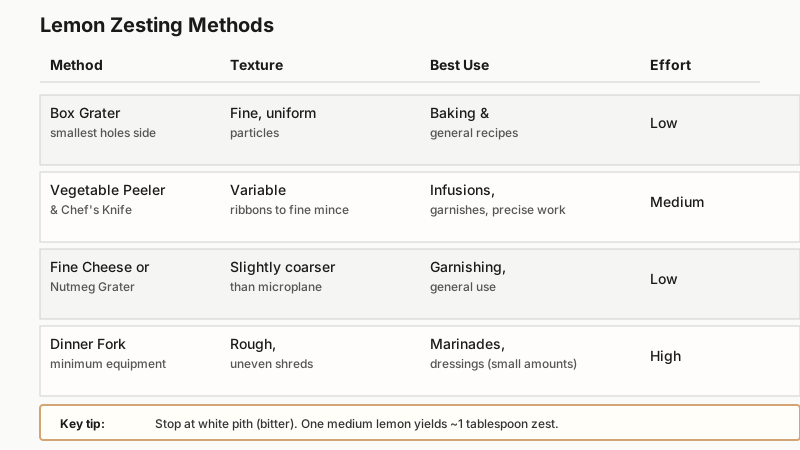
| Method | Equipment Needed | Texture | Best Use | Effort Level |
|---|---|---|---|---|
| Box Grater | Standard kitchen tool | Fine, uniform particles | Baking, general recipes | Low |
| Vegetable Peeler & Knife | Peeler + chef’s knife | Variable (ribbons to fine mince) | Infusions, garnishes, precise control | Medium |
| Fine Cheese/Nutmeg Grater | Handheld flat grater | Slightly coarser than microplane | Garnishing, general use | Low |
| Fork | Dinner fork | Rough, uneven shreds | Marinades, dressings (small amounts only) | High |
| Channel Knife | Bartending tool | Wide continuous strips | Cocktail twists, decorative borders | Medium |
Getting the Most Out of Any Method: Practical Tips
Always wash first
Conventionally grown lemons are often coated with food-grade wax to extend shelf life during shipping. Even organic lemons may have environmental residue. Scrub the skin under warm water with a produce brush or the rough side of a sponge before you start.
Cold lemons are harder to zest
A lemon straight from the refrigerator is firmer and the oils in the skin are less volatile. If you have a few minutes, let it sit at room temperature first. The zest will come off more easily and smell noticeably brighter.
Roll it before you zest it
Rolling the lemon firmly on the counter (for juicing) isn’t just for getting more juice — it also slightly loosens the peel from the pith, which can make zesting with a fork or peeler a little easier.
Zest before juicing, never after
Once you’ve cut or squeezed a lemon, the remaining peel collapses and is almost impossible to work with. Always zest first, then juice.
Store leftover zest correctly
Fresh zest loses its aromatic punch quickly because the volatile oils begin to evaporate. If you have leftover zest:
- Short-term: Wrap it tightly in cling film or press it into a small airtight container and refrigerate for up to three days.
- Long-term: Spread it in a thin layer on a sheet of parchment, freeze until solid, then transfer to a freezer bag. Frozen zest keeps well for about three months and can be used straight from frozen — it won’t need thawing for baking.
What to Do With Lemon Zest
If you’ve zested a lemon for a recipe and have some left over, here are a few places it earns its keep:
- Pasta: Add a teaspoon of zest to carbonara, cacio e pepe, or any cream-based sauce right before serving. It cuts through richness without adding acidity.
- Baking: Lemon zest in shortbread, pound cake, or muffins provides flavor that juice alone cannot — juice adds sourness; zest adds aroma and depth.
- Dressings and marinades: Half a teaspoon of zest in a vinaigrette makes it taste distinctly more sophisticated.
- Flavored butter: Mash zest into softened butter with a pinch of salt and roll it into a log. Slice rounds onto fish, chicken, or roasted vegetables.
- Tea and drinks: A strip of lemon peel dropped into hot tea, sparkling water, or a simple cocktail gives a subtle citrus lift without changing the liquid’s acidity.
Fresh zest also brightens up breakfast drinks, so if you’re looking for more ideas, check out How to Make a Smoothie Without Yogurt: 9 Creamy Swaps for ways to use citrus in your morning blend.
Conclusion
A dedicated zester is a nice tool, but it’s hardly essential. A box grater covers 90% of use cases with no compromise in flavor. For cocktails and infusing, the peeler-and-knife method is actually better. And in a genuine pinch, even a fork gets the job done.
The single rule that matters across every method: stay in the yellow, stop at the white. Once you internalize that, you can zest a lemon with whatever happens to be on your counter — no specialty equipment required.