Best Cast Iron Skillets for Everyday Cooking

Cast iron has outlasted every kitchen trend thrown at it, and for good reason. A well-made skillet can sear a steak, bake a cornbread, fry an egg, and go straight from the stove to the oven — all in the same pan. But not every cast iron skillet is built the same, and for daily use the differences in weight, surface texture, handle design, and seasoning quality matter a lot more than they do for occasional weekend cooking.
This guide cuts through the marketing noise and focuses on what actually separates a great everyday skillet from one that ends up at the back of a cabinet.

What Makes a Cast Iron Skillet Good for Daily Use?
For once-a-week cooking, almost any decent skillet will do. Daily use is a different test. The pan comes off the shelf repeatedly, goes on and off heat, gets washed (gently), and dried. A few qualities rise to the top:
Weight and balance. Classic American-made cast iron runs heavy — a 12-inch skillet typically weighs between 7 and 10 pounds. That is manageable on the stovetop, but tipping a pan of hot fat one-handed gets awkward fast. Look for a second helper handle opposite the main grip; most quality pans over 10 inches include one.
Surface texture. Older and more expensive pans are often ground or polished to a smoother cooking surface. Mass-produced modern pans tend to arrive with a rougher, pebbly texture — functional but slower to build a truly non-stick seasoning. Neither is a dealbreaker, but smooth surfaces release eggs and fish fillets more easily right out of the box.
Pre-seasoning quality. Almost every cast iron skillet ships pre-seasoned, but the factory seasoning is rarely enough for delicate foods. Some brands use vegetable oil baked on properly; others apply a thin cosmetic coat. The practical difference: a well pre-seasoned pan cooks bacon without drama on day one; a poorly pre-seasoned one needs two or three dedicated seasoning rounds before it cooperates.
Heat retention vs. responsiveness. Cast iron is famous for holding heat, which is great for searing. But it also responds to temperature changes slowly. For everyday tasks like scrambled eggs or sautéed vegetables, keep the heat lower than you instinctively might — cast iron doesn’t need high heat the way stainless steel does.
The Best Cast Iron Skillets Worth Your Money
The following skillets are widely available, have proven track records, and are genuinely suited to daily kitchen use. Prices shift over time, so treat the tiers below as a guide to value, not fixed cost.
Lodge Cast Iron Skillet (10.25“ or 12”)
Lodge is the most straightforward recommendation in cast iron. Made in South Pittsburg, Tennessee, since 1896, the pans are affordable, reliably consistent, and available almost everywhere. The factory seasoning is honest — not a mirror finish, but a solid start. The textured surface smooths out noticeably after a few months of regular cooking and seasoning.
The 12-inch size is the workhorse for most households. It can hold four chicken thighs comfortably, double as a griddle for pancakes, and double as a baking vessel for skillet cookies or frittatas. The 10.25-inch is easier to maneuver daily, especially in smaller kitchens.
Worth knowing: Lodge pans are heavier than some competitors at equivalent sizes. The 12-inch weighs roughly 8 pounds, which some cooks find fatiguing over time.

Field Company No. 8 and No. 10 Skillets
Field Company makes lighter, smoother cast iron by machining the cooking surface after casting — the same approach used by American foundries decades ago. The No. 8 (10-inch) weighs about 4.5 pounds; the No. 10 (12-inch) sits around 5.8 pounds. That weight difference is meaningful if you cook daily and often move the pan while hot.
The smoother interior means eggs slide more easily from the start, and seasoning builds evenly. The trade-off is cost — Field Company pans are meaningfully more expensive than Lodge. For someone who cooks daily and values a lighter pan, the premium often pays off over years of use.
Stargazer Cast Iron 10.5" Skillet
Stargazer is a smaller Pennsylvania-based manufacturer with a devoted following for two practical reasons: the flared, drip-free rim (which reduces mess when pouring off fat or liquid) and the long, comfortable handle with a slight upward curve that balances the pan well. The cooking surface is machined smooth at the factory.
A pan for people who have already owned cast iron and know exactly which friction points they want fixed.
Le Creuset Enameled Cast Iron Skillet
Enameled cast iron solves cast iron’s two main maintenance complaints: it does not require seasoning, and it can be washed with soap without worry. Le Creuset’s enameled skillet has an extremely smooth glass-like interior and performs beautifully on any cooktop including induction.
The downsides are real: the enamel can chip if the pan is dropped or banged against another heavy pan, and enameled cast iron should not be preheated empty (the enamel can crack from thermal shock). For everyday cooking at moderate heat — braises, sautés, eggs — it excels. For a blazing-hot sear, a bare cast iron or carbon steel pan is a better tool.
Lodge Blacklock Triple Seasoned Skillet
Lodge’s premium Blacklock line uses a thinner, lighter casting and three layers of seasoning applied at the factory. The result is a pan roughly 25% lighter than the standard Lodge and with a noticeably better out-of-the-box surface. For cooks who love the Lodge brand loyalty and reliability but want something less tiring to use daily, Blacklock is a reasonable middle ground between budget Lodge and the premium boutique pans.
Butter Pat Industries Joan Skillet
Butter Pat makes cast iron in a style closer to antique American pans: thinner walls, machined cooking surface, light overall weight. The Joan (a 10-inch pan) weighs under 4.5 pounds and has a wide, flat cooking area relative to its total size. At the high end of the price range for cast iron, but built to last for decades and passes easily between generations.

Sizing Guide: Which Pan for Which Kitchen?
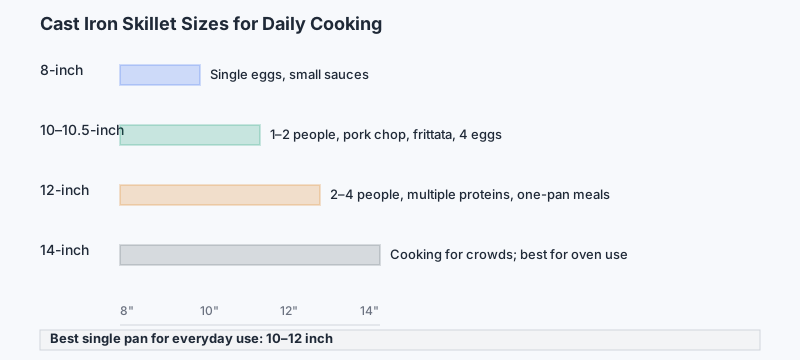
Choosing a size for daily use comes down to how many people you’re typically cooking for and what your most common tasks are:
- 8-inch: Ideal for single eggs, one or two servings, toasting spices, small sauces. Genuinely useful as a second pan rather than a primary one.
- 10 to 10.5-inch: The sweet spot for one to two people. Light enough to handle easily, large enough for a pork chop, a small frittata, or four eggs at once.
- 12-inch: The household workhorse. Right for two to four people, searing multiple pieces of protein simultaneously, baking in the oven, or making one-pan meals.
- 14-inch: Large enough to cook for a crowd but heavy enough that many cooks reserve it for the oven rather than active stovetop use.
If you are buying a single pan meant for true everyday use, the 10-inch to 12-inch range covers the broadest range of tasks without becoming a burden to lift.
Care That Actually Works (Without Overthinking It)
Cast iron care has accumulated a lot of folk wisdom, some of it more myth than method. Here is what holds up in practice:
Washing: Warm water and a stiff brush immediately after cooking is usually enough. A small amount of mild dish soap will not destroy a well-seasoned pan — the idea that soap ruins cast iron comes from the era of lye-based soaps, which were genuinely harsh. Modern dish soap used occasionally is fine. What does damage seasoning is soaking the pan or leaving it wet.
Drying: Dry the pan completely on the stove over low heat for a minute or two. Cast iron rusts quickly if left damp.
Re-seasoning: After drying, rub a very thin layer of neutral oil (flaxseed, vegetable, or crisco work well) over the entire surface and wipe off the excess until the pan looks almost dry, not greasy. Heat in the oven upside down at around 450–500°F for an hour. You do not need to do this every time — only when the surface looks dull, has rust spots, or food has been sticking more than usual.
Cooking fats: Butter, lard, bacon fat, and oil all work. Avoid cooking highly acidic foods (tomato sauces, citrus-heavy dishes) in a bare cast iron pan for extended periods — the acid strips seasoning and can add a metallic off-taste to the food. A short braise with tomatoes is usually fine; a two-hour tomato sauce is not.
A well-seasoned cast iron skillet is also the ideal tool for slow, patient cooking techniques, as explained in How to Caramelize Onions Properly: A No-Shortcut Guide.
Frequently Asked Questions
Is cast iron actually non-stick for eggs?
A well-seasoned cast iron pan approaches non-stick performance for eggs, but it requires proper technique: preheat the pan thoroughly, use enough butter or oil, and keep the heat at low to medium. A brand-new pan — even pre-seasoned — will likely stick with eggs until you’ve built up several layers of seasoning through regular cooking.
Can I use cast iron on an induction cooktop?
Yes. Cast iron is magnetic and works on all induction cooktops. The main caveat is that induction heats quickly and cast iron retains heat, so the combination can get very hot faster than you expect. Start at a lower power setting than you might with stainless steel.
How long does it take to build a good seasoning?
With regular cooking and proper care, most cast iron pans develop a noticeably better non-stick surface within a few weeks to a couple of months of daily use. Cooking fatty foods (bacon, sautéed vegetables in oil, seared meats) accelerates the process; cooking lean proteins or repeatedly washing with soap slows it.
Why is vintage cast iron so sought after?
Pans made by American foundries (Griswold, Wagner, early Lodge) before the 1960s were often machined smoother and cast thinner than most modern production pans. They are lighter, respond slightly faster to heat changes, and have surfaces that release food more easily. They can be found at antique stores and online markets, but quality varies — inspect for cracks, deep pitting, and warping before buying.
Can I use a cast iron skillet in the oven?
Yes, without restriction (up to the oven’s maximum temperature). Cast iron is entirely oven-safe — there is no plastic handle or non-stick coating to worry about. This makes it especially useful for dishes that start on the stovetop and finish in the oven: seared steaks, skillet chicken thighs, baked eggs, and cornbread.
Choosing the Right Pan for the Long Haul
Cast iron is the rare kitchen tool where a modest investment today — or a find at an estate sale — can genuinely last a lifetime. The gap between the entry-level Lodge and the premium boutique pans is real but mostly about weight and surface finish, not durability or fundamental cooking performance. If you cook daily and lifting a heavier pan bothers you, spend more on a machined lighter pan. If you want maximum availability and lowest cost, Lodge remains the most dependable starting point.
Buy one size that fits your household. Cook with it most days. The seasoning takes care of itself.
Once you’ve settled on a skillet, put it to work right away with 15 Easy Weeknight Dinner Recipes Ready in 30 Min.