12 Best Vegetarian Protein Sources to Power Every Meal

Getting enough protein on a vegetarian diet is genuinely easy — once you know which foods actually deliver and how to use them. The common worry that plant-based eating means protein deficiency is mostly unfounded. Many whole plant foods contain 10–20 grams of protein per cooked cup, comparable to a small serving of chicken. The challenge is less about finding protein and more about making it taste good and fit naturally into everyday cooking.
This guide covers the most reliable vegetarian protein sources, with realistic amounts, practical meal ideas, and a few honest notes about bioavailability and complementary combinations.
1. Legumes: The Workhorses of Plant Protein
Legumes are the single most important category for vegetarian protein. They’re affordable, widely available, and genuinely versatile.
Lentils
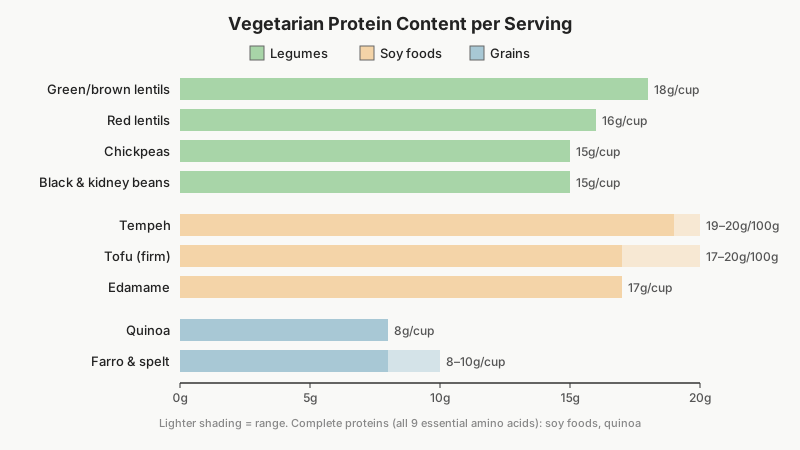
Cooked green or brown lentils provide roughly 18 grams of protein per cup. Red lentils are slightly lower at around 16 grams but cook faster and break down into creamy soups and dals in under 20 minutes. Lentils also carry meaningful amounts of iron, folate, and fiber.
Meal ideas: Red lentil soup with cumin and tomato; green lentil salad with roasted beets and feta; lentil bolognese over pasta.
Chickpeas
Cooked chickpeas offer about 15 grams of protein per cup. They’re arguably the most versatile legume — roasted as a snack, blended into hummus, tossed into curries, or folded into grain bowls.
Meal ideas: Chana masala; crispy roasted chickpeas with smoked paprika; chickpea and spinach stew.
Black Beans and Kidney Beans
Both sit around 15 grams of protein per cooked cup. Black beans have a slightly earthy sweetness that works in tacos, grain bowls, and even chocolate brownies (seriously — the texture works). Kidney beans hold up well in long-simmered dishes like chili.
Meal ideas: Black bean tacos with mango salsa; three-bean chili; kidney bean curry with coconut milk.

2. Soy Foods: The Protein Density Champions
Soy is the most protein-dense plant food in practical cooking terms, and it happens to be one of the few plant sources considered a complete protein — meaning it contains all nine essential amino acids in usable proportions.
Since tofu, tempeh, and edamame all hold up well when cooked in batches, Easy Meal Prep Ideas for the Week: Build Blocks, Not Full Dishes explains how to prep these kinds of protein building blocks ahead of time.
Tofu
Firm tofu contains about 17–20 grams of protein per 100g serving, depending on brand and water content. Extra-firm tofu, pressed and pan-fried, develops a chewy, slightly crisp exterior that’s nothing like the soggy tofu bad cooking gives it.
The trick is pressing out moisture thoroughly (at least 20–30 minutes under a weight), then cooking at high heat — either in a cast-iron pan with oil or in a 200°C oven.
Meal ideas: Sesame-glazed tofu stir-fry; marinated baked tofu with miso and ginger; crumbled tofu scramble with turmeric.
Tempeh
Tempeh is fermented whole soybeans pressed into a dense cake. It’s higher in protein than tofu — roughly 19–20 grams per 100g — and also easier to digest for many people due to the fermentation process. The flavor is nuttier and earthier than tofu, which some find more immediately satisfying.
Meal ideas: Tempeh BLT with smoked tempeh strips; tempeh crumbled into Bolognese; sliced tempeh marinated in tamari and maple syrup, then grilled.
Edamame
Fresh or frozen edamame (young soybeans) deliver about 17 grams of protein per cooked cup. They’re fast to prepare and work well as a side dish, in grain salads, or blended into a bright green hummus-style dip.
Meal ideas: Edamame and brown rice bowl with sesame dressing; edamame guacamole; edamame stir-fried with garlic and chili.

3. Grains and Grain-Like Seeds
Most grains provide some protein, but a handful punch notably above their weight.
Quinoa
Quinoa is often cited as a complete protein, and while the amounts per serving are moderate — about 8 grams per cooked cup — it’s meaningful because it can replace rice or couscous in virtually any dish without changing the flavor profile dramatically. It also cooks in 15 minutes.
Meal ideas: Quinoa tabbouleh with parsley and lemon; quinoa and roasted vegetable bowl; breakfast quinoa with almond butter and banana.
Farro and Spelt
These ancient wheat varieties offer 8–10 grams of protein per cooked cup with a pleasantly chewy texture. Farro in particular holds up well in salads without going soggy, making it useful for meal prep.
Meal ideas: Farro salad with arugula, walnuts, and parmesan; spelt risotto with mushrooms.
Seitan (Wheat Gluten)
Seitan is made from vital wheat gluten — the protein that remains when starch is washed from wheat flour. It’s one of the highest-protein options available: 25 grams or more per 100g serving. The texture is dense and chewy, often compared to meat in ways that other substitutes aren’t. It’s not suitable for those with gluten sensitivity or celiac disease, but for everyone else it’s a practical, economical protein source.
Meal ideas: Seitan kebabs with yogurt sauce; seitan and mushroom stew; shredded seitan in tacos or sandwiches.
4. Dairy and Eggs (for Lacto-Ovo Vegetarians)
If you eat dairy and eggs, you have access to some of the most bioavailable protein sources available — without any processing concerns.
Eggs
Two large eggs provide about 12–13 grams of complete protein. Egg protein has one of the highest digestibility ratings of any food. Eggs also contribute choline, vitamin D, and B12 — nutrients that can be harder to source from purely plant-based eating.
Meal ideas: Shakshuka with crusty bread; frittata with seasonal vegetables; soft-boiled eggs over grain bowls.
Greek Yogurt and Cottage Cheese
Plain Greek yogurt typically offers 15–20 grams of protein per 200g serving, depending on whether it’s strained. Cottage cheese is similar, at around 14 grams per half cup. Both are quick, no-cook protein additions — useful at breakfast or as a base for dressings and dips.
Meal ideas: Greek yogurt with walnut and honey; cottage cheese pancakes; labneh (strained yogurt) spread on flatbread.
Hard Cheeses and Paneer
Parmesan and aged cheeses are surprisingly protein-dense — parmesan has roughly 10 grams per 30g serving. Paneer, the South Asian fresh cheese, holds together when cooked at high heat, making it excellent in curries and grilled dishes. A typical serving of paneer (about 100g) provides 18–20 grams of protein.
Meal ideas: Palak paneer; paneer tikka; shaved parmesan over lentil soup.
5. Nuts, Seeds, and Nut Butters
Nuts and seeds are calorie-dense, so they work better as complements than as your sole protein strategy. That said, some are notably high in protein and genuinely useful at meals.
Hemp Seeds
Hulled hemp seeds (hemp hearts) contain about 10 grams of complete protein per 3-tablespoon serving — that’s among the highest protein-to-calorie ratios for a seed. They have a mild, slightly nutty flavor and can be stirred into virtually anything: porridge, smoothies, salad dressings, soups.
Pumpkin Seeds (Pepitas)
A quarter cup of pumpkin seeds delivers about 9 grams of protein. Roasted with a little tamari and cayenne, they become a satisfying snack or salad topping.
Peanuts and Peanut Butter
Peanuts are technically legumes but eaten like nuts. Two tablespoons of peanut butter provide about 8 grams of protein. Natural peanut butter (just peanuts and salt) is preferable nutritionally to versions with added hydrogenated oils.
Meal ideas: Peanut noodles with ginger and lime; peanut-crusted tempeh; roasted pumpkin seed and kale salad.

6. A Note on Protein Quality and Combining
Plant proteins sometimes contain lower amounts of specific essential amino acids than animal proteins. Lysine is the most commonly limited in grains; methionine is lower in legumes. The practical fix isn’t complicated: eat a variety of protein sources across the day. You don’t need to combine foods at every single meal (the old “complementary protein” rule was largely revised decades ago), but eating lentils, tofu, and quinoa across your meals rather than relying on just one source ensures a complete amino acid profile.
Protein absorption also varies. Digestibility scores for plant proteins are generally lower than for eggs or dairy, which is one reason vegetarians sometimes see recommendations to aim slightly higher than the standard protein reference intake. A practical target for active vegetarian adults is often cited around 1.0–1.2g of protein per kilogram of body weight per day.
7. Building Protein-Rich Vegetarian Meals in Practice
Knowing which foods are high in protein is only half the work — the other half is building meals that don’t feel like an assembly of supplements.
A few patterns that work:
- Grain + legume base: Quinoa with black beans, farro with chickpeas, brown rice with lentils. This covers amino acid breadth and creates a filling meal with fiber.
- Egg or dairy anchor: A frittata, a yogurt-based sauce, or paneer in a curry means you don’t need to think hard about protein gaps.
- Tofu or tempeh as the main: Treat these like chicken or fish — marinate properly, cook at high heat, serve with vegetables and a grain.
- Seed and nut garnishes: Hemp seeds stirred into a grain bowl or pumpkin seeds scattered over a salad adds a useful boost without changing the dish.
Meal prepping cooked lentils and grains on a Sunday makes weekday vegetarian cooking significantly easier. Both keep well in the fridge for four to five days and reheat quickly.
If you want to turn these protein sources into a consistent weekly routine rather than one-off meals, Beginner Guide to Meal Planning: Start By Auditing Your Week walks you through auditing your week before you plan a single dish.
Conclusion
Vegetarian protein sources cover every meal format — from quick breakfasts (Greek yogurt, eggs) to hearty dinners (tempeh, seitan, lentil stew) to easy snacks (roasted chickpeas, peanut butter on toast). The key is variety rather than perfection: rotating legumes, soy foods, eggs, dairy, and seeds throughout the week covers your amino acid needs without requiring detailed tracking.
Start by identifying two or three sources you genuinely enjoy eating, master one or two reliable preparations for each, and build from there. Protein sufficiency on a vegetarian diet is far less complicated than it’s often made to sound.