How to Make Homemade Salsa: Brighter Than Anything In A Jar

Making salsa at home is one of those kitchen skills that pays off immediately. You spend maybe 20 minutes, and what comes out of the blender or off the cutting board is measurably better than anything in a jar — brighter, fresher, and tuned exactly to your taste. This guide covers the core technique, seven recipe variations, and the small details that separate a flat salsa from one people ask about.
Start With the Right Tomatoes
The tomato is the backbone of most salsas, so it matters which one you use and how you handle it.
Roma tomatoes are the default for good reason: they’re meatier, lower in water content, and hold their texture whether you’re blending or chopping. Plum tomatoes and San Marzanos work the same way.
Beefsteak and heirloom tomatoes have more juice and seeds. That’s fine for a chunky fresh salsa where you’re draining excess liquid anyway, but they can make a blended salsa watery if you skip that step.
Canned fire-roasted tomatoes are the right call in winter or whenever fresh tomatoes taste like wet cardboard. A 28-oz can of Muir Glen fire-roasted crushed tomatoes produces a reliable, deeply flavored salsa year-round. Don’t apologize for using them.
Roasting vs. Raw
Roasting — under a broiler, on a dry cast-iron pan, or directly over a gas flame — transforms tomatoes. The sugars concentrate, the skin blisters, and you get a smokiness that raw tomatoes can’t replicate. Char a few tomatillos and a jalapeño alongside them and you have the foundation of a salsa worth making every week.
Raw tomatoes give you brightness and clean acidity. Neither is better; they serve different purposes.

7 Homemade Salsa Recipes
1. Classic Pico de Gallo (Salsa Fresca)
This is pure texture — nothing cooked, nothing blended.
Ingredients:
- 4 Roma tomatoes, seeded and diced small
- ½ white onion, finely diced
- 2 jalapeños, seeded and minced
- ½ cup fresh cilantro, chopped
- Juice of 2 limes
- 1 tsp kosher salt
Method: Combine everything in a bowl. Let it sit for 15 minutes before serving — this draws out moisture and melds the flavors. Taste and adjust salt and lime. If it tastes flat, the problem is almost always not enough salt or lime.
2. Roasted Tomato Blender Salsa
This is the restaurant-style red salsa most people are trying to replicate.
Ingredients:
- 6 Roma tomatoes, halved
- 4 garlic cloves, unpeeled
- 1 white onion, quartered
- 2–3 serranos or jalapeños
- 1 tsp cumin
- Salt and lime to taste
- Small handful cilantro
Method: Arrange tomatoes, onion, and chiles on a baking sheet. Add unpeeled garlic cloves. Broil on high for 10–15 minutes until the tops are charred in spots. Flip halfway if you like more even color. Squeeze garlic from skins. Blend everything — pulse for chunky, blitz for smooth. Add cumin, salt, and lime. Taste it hot, then again at room temperature; you’ll likely need more salt once it cools.
3. Salsa Verde (Tomatillo Salsa)
Tomatillos are a different fruit entirely — more tart, herbal, and less sweet than red tomatoes. Remove the papery husks and rinse off the sticky coating before using.
Ingredients:
- 1 lb tomatillos, husked and halved
- 2 serranos
- ½ white onion
- 2 garlic cloves
- ½ cup cilantro
- Salt and lime
Method: Broil tomatillos and chiles until blistered (about 8–10 minutes). Blend with raw onion, garlic, and cilantro. The contrast between the charred tomatillos and the raw onion is what makes this work. Season generously — tomatillos can handle more salt than you expect.
4. Mango Habanero Salsa
Sweet fruit and scorching habanero is a combination that earns repeat requests.
Ingredients:
- 2 ripe mangoes, diced
- ½ habanero, minced (or a full one if you know what you’re doing)
- ½ red bell pepper, diced
- ¼ red onion, finely diced
- Juice of 1 lime
- Handful of cilantro
- Pinch of salt
Method: Combine raw. Keep the pieces large enough to stay distinct. This salsa is best used the day it’s made — the mango breaks down quickly. Pairs exceptionally well with grilled fish or pork tacos.
5. Chipotle Salsa
Chipotles in adobo are smoke-dried jalapeños packed in a tangy tomato sauce. One can goes a long way.
Ingredients:
- 1 can (14 oz) fire-roasted crushed tomatoes
- 1–2 chipotles in adobo (plus 1 tbsp adobo sauce)
- 2 garlic cloves
- ¼ white onion
- Salt and lime
Method: Blend everything together. Start with one chipotle and taste — they’re smokier and hotter than they look. This salsa takes about four minutes to make and keeps well in the fridge for up to a week.
6. Avocado Salsa (Salsa de Aguacate)
Thinner than guacamole, smoother and more pourable — this is a different category altogether.
Ingredients:
- 2 ripe avocados
- 2 tomatillos, husked
- 1 serrano
- 1 garlic clove
- ¼ cup cilantro
- Juice of 1 lime
- Salt
- 2–4 tbsp water (to thin)
Method: Blend everything until completely smooth. The tomatillo keeps it bright and prevents immediate browning. Add water a tablespoon at a time until it’s pourable. Season well. This holds in the fridge for about two days with a piece of plastic pressed against the surface.
7. Corn and Black Bean Salsa
Hearty enough to eat as a side dish. Works great at room temperature, which makes it ideal for cookouts.
Ingredients:
- 2 ears of corn, kernels cut off (or 1½ cups frozen, thawed)
- 1 can (15 oz) black beans, drained and rinsed
- 2 Roma tomatoes, diced
- ¼ red onion, diced
- 1 jalapeño, minced
- Juice of 2 limes
- 1 tsp cumin
- Salt and cilantro to taste
Method: If you have time, char the corn in a dry skillet for a few minutes — it adds a nuttiness that raw corn doesn’t have. Combine everything, season, and let it sit for 20 minutes before serving.

The Details That Actually Matter
Salt at the Right Time
Salt early in pico de gallo — it draws out juice and accelerates flavor-melding. For blended salsas, salt at the end and taste again after 10 minutes because the flavor shifts as it sits.
Acid Balance
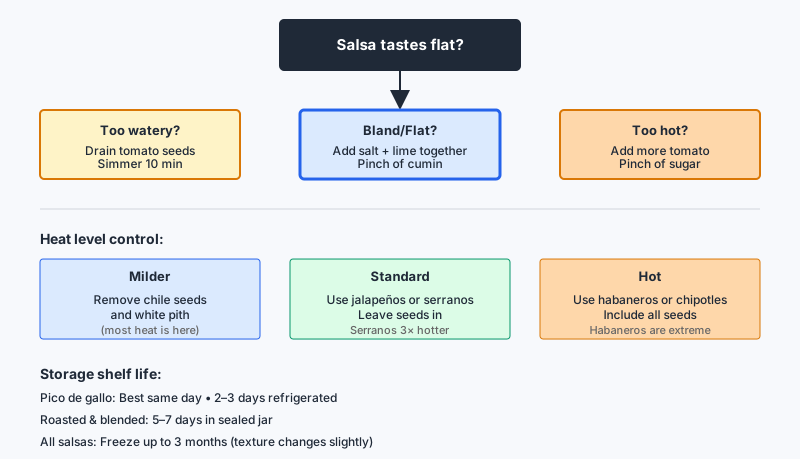
Lime is standard, but a splash of white vinegar works in pinch and is actually traditional in some Mexican regional styles. If your salsa tastes flat, the fix is almost always more salt and more acid together, not just one or the other.
Heat Level Control
The seeds and white membrane (the pith) of a chile carry the most heat — not the flesh. For milder salsa, remove them. For more heat, leave them in or use a hotter variety. Serranos run roughly three times hotter than jalapeños. Habaneros are in a different league entirely.
Texture Options
- Pulse briefly for chunky, restaurant-style salsa
- Blend fully for smooth and pourable
- Chop by hand for maximum texture control
A good food processor handles chunky styles well; an immersion blender is the easiest cleanup for smooth versions; a traditional molcajete (stone mortar) produces a textured grind that’s noticeably different — more rustic and slightly denser.
For another sauce where texture is just as important as flavor, check out Homemade Pesto: 7 Secrets to Getting It Right.
Storage and Shelf Life
- Fresh pico de gallo: best same day, still good for 2–3 days refrigerated
- Roasted and blended salsas: 5–7 days in a sealed jar in the fridge
- All salsas: freeze well for up to 3 months (texture changes slightly on thaw, which matters less for cooked applications)

Troubleshooting Common Problems
Too watery: Drain tomato seeds and liquid before combining. For blended salsa, simmer on low heat for 10 minutes to reduce.
Too bland: Add salt, lime, and a pinch more cumin. If it still falls flat, try a small amount of fish sauce (about ½ tsp) — it adds umami without tasting fishy.
Too hot: Add more tomato, a little sugar, or sour cream (if serving immediately). You can’t fully undo heat, but diluting the base helps.
Too acidic: A pinch of sugar or a small amount of avocado smoothed in will mellow excess acidity.
Putting It All Together
Homemade salsa rewards repetition. The first batch teaches you how your blender processes tomatoes, how much heat a jalapeño from your local market carries, how your palate reads salt. The third or fourth batch is the one you’ll start making from memory.
Start with the roasted tomato blender salsa or pico de gallo — they cover the two main techniques, and both are quick enough that a mistake costs you 20 minutes, not 2 hours. Once you have those down, the variations are just swaps on a pattern you already know.
Good salsa doesn’t need a recipe card after a while. It needs a hot broiler, ripe tomatoes, a sharp knife, and the willingness to taste as you go.
If you love building fresh, punchy condiments like this, you’ll also enjoy 12 Homemade Salad Dressing Recipes Worth Making, which applies the same balance-of-flavors thinking to another kitchen staple.