How to Make a Smoothie Bowl at Home: The Thick Base Secret

What Actually Makes a Smoothie Bowl Different
A smoothie bowl isn’t just a thick smoothie in a wide dish — though that’s a fair starting point. The real difference is texture contrast: a dense, almost sorbet-like base that supports toppings instead of swallowing them. Get the base too thin and your granola turns soggy in thirty seconds. Get it too thick and it won’t blend without help.
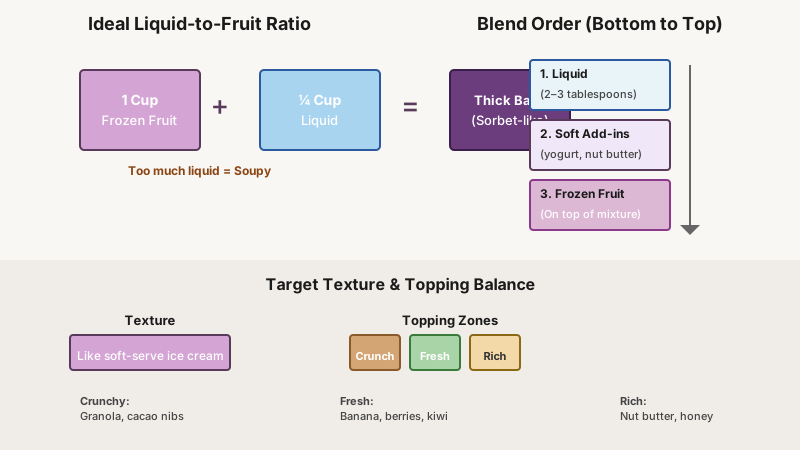
The ratio that works reliably: roughly one cup of frozen fruit to one-quarter cup of liquid, no more. That’s the single biggest mistake most home cooks make — they add too much liquid because the blender is struggling, and the result is soup.
Once you nail that ratio, the rest is just choices.

The 7 Steps to a Perfect Smoothie Bowl
Step 1: Choose Your Frozen Base
Frozen fruit is non-negotiable for a thick, creamy result. Fresh fruit has too much water content. Your three best options:
- Frozen banana — the most neutral, creamiest base. Freeze ripe bananas in chunks the night before, or buy pre-frozen. One medium banana per bowl is a good starting point.
- Frozen mango — slightly fibrous but naturally sweet; pairs well with tropical toppings.
- Frozen açaí puree — sold in 100g unsweetened packets in most health food stores and many supermarkets. This gives you that classic deep-purple bowl you see everywhere. Blend it straight from frozen.
You can combine bases. Half a banana plus one açaí packet is a reliable workhorse combination.
Step 2: Add Liquid — Barely
The liquid’s job is to get the blender moving, nothing else. Start with two to three tablespoons and add more only if the blender genuinely stalls. Good options:
- Unsweetened almond milk or oat milk (neutral flavor)
- Coconut milk (richer, tropical)
- Plain water if you want the fruit flavor to dominate
- Cold-brew coffee for an energy-forward bowl
Avoid orange juice or other thin juices unless you want a slushier result.
If you’re dairy-free or just tired of yogurt, How to Make a Smoothie Without Yogurt: 9 Creamy Swaps offers plenty of other ways to keep your base creamy without watering it down.
Step 3: Pick a Protein or Fat Booster (Optional)
A plain fruit base digests quickly. If you want the bowl to keep you full for a few hours, add one of the following:
- Greek yogurt (2–3 tablespoons): adds creaminess and protein without changing color much
- Nut butter (1 tablespoon): almond or peanut butter adds fat that slows digestion and deepens flavor
- Protein powder (one scoop): pick an unflavored or vanilla variety; chocolate protein powder changes the color and can overpower fruit notes
- Hemp seeds (2 tablespoons, blended in): mild, slightly nutty, and add omega-3 fatty acids
Don’t pile on more than one or two additions or the base gets muddled.
Step 4: Blend in the Right Order
Order matters more than people expect. Put your liquid and any soft add-ins at the bottom, then the frozen fruit on top. This creates a vortex that pulls the frozen chunks down rather than leaving them to jam the blades.
If you have a high-powered blender (Vitamix, Blendtec, or similar), use the tamper tool rather than adding more liquid. If you’re using a standard blender, pulse in short bursts — let the motor rest for a few seconds between pulses. Forcing it continuously on a struggling motor can overheat it.
Target texture: thick enough that it doesn’t slide off a tilted spoon. It should look more like soft-serve ice cream than a drinkable smoothie.
Step 5: Pour and Spread
A wide, shallow bowl works better than a deep one. The wider surface area means more room for toppings, which is half the point. Tilt the blender over the bowl and let the mixture slide in, then use the back of a spoon to spread it to the edges in a flat, even layer. A flat surface lets toppings sit without sinking.
Work quickly — the base starts melting from room temperature within a minute or two.

Step 6: Add Toppings with Intention
This is where a smoothie bowl becomes visually satisfying — or a chaotic pile of stuff. A few principles:
Balance textures. You want something crunchy, something fresh, and ideally something with a bit of richness. A classic formula:
- Crunchy: granola, toasted coconut flakes, cacao nibs, puffed rice cereal
- Fresh: sliced banana, fresh berries, kiwi rounds, passionfruit
- Rich: a thin drizzle of nut butter, tahini, or honey
Work in sections, not random scattering. Place each topping in its own small zone so each bite can be different. This is purely aesthetic but it makes the bowl more satisfying to eat.
Add delicate toppings last. Chia seeds, bee pollen, or microgreens go on last so they stay visible and don’t get buried.
If you want another cold, creamy topping to pile on, How to Make Homemade Whipped Cream: The Cold Bowl Secret shows you how to whip up a fluffy dollop from scratch.
Step 7: Eat It Immediately
A smoothie bowl waits for no one. The base melts and the toppings go soft fast — particularly granola, which turns unpleasantly soggy within about five minutes. Prepare everything before blending: have your toppings portioned out and ready to go before you turn on the blender.
If you want to prep the night before, freeze the base in silicone ice cube trays or a zip-lock bag. In the morning, re-blend from frozen with minimal liquid.
Flavor Combinations Worth Trying
Once the technique is solid, the fun is in swapping flavors. Here are five combinations that work reliably:
Dragon Fruit Bowl Frozen dragon fruit (pitaya) packets give a vivid pink base. Blend with a little coconut milk, top with mango chunks, toasted coconut, lime zest, and a drizzle of condensed milk if you want it indulgent.
Green Detox Bowl Frozen banana plus one cup frozen spinach (you won’t taste it). Add half an avocado for creaminess. Top with sliced kiwi, pumpkin seeds, hemp seeds, and a squeeze of fresh lemon.
Chocolate Peanut Butter Bowl Frozen banana blended with one tablespoon cacao powder and one tablespoon peanut butter. Top with banana slices, cacao nibs, chopped dark chocolate, and a peanut butter drizzle. Essentially dessert for breakfast, without apology.
Tropical Mango Turmeric Bowl Frozen mango and banana, a quarter teaspoon of turmeric, a pinch of black pepper (increases turmeric absorption), and coconut milk. Top with fresh pineapple, toasted coconut, macadamia nuts.
Strawberry Beet Bowl Frozen strawberries plus one small cooked beet (pre-roasted and frozen in chunks works well). The beet deepens the color to near-magenta and adds earthiness. Top with strawberry slices, pumpkin seeds, and honey.

Troubleshooting Common Problems
The base is too runny. Add more frozen fruit next time. If it’s already blended and runny, pour it into a bowl and freeze for 10–15 minutes — it’ll firm up enough to hold toppings.
The blender won’t move. Add liquid one tablespoon at a time. Or try switching to pulse mode. If you have a tamper, use it. Alternatively, let the frozen fruit sit at room temperature for two minutes before blending so it’s slightly thawed on the surface.
The flavors are flat. Frozen fruit tends to mute natural sweetness and acidity. Add a small pinch of salt (genuinely helps fruit taste brighter), a squeeze of lemon or lime juice, or a teaspoon of vanilla extract. Even half a Medjool date blended in can transform a flat base.
The toppings all slide to the center. The base is too thin, or you’re using too deep a bowl. Switch to a wider, more shallow bowl and work on getting the base thicker.
Equipment: What You Actually Need
You don’t need a $600 blender to make a decent smoothie bowl, but the blender matters more here than for regular smoothies because of the low liquid volume.
- High-powered blender (Vitamix, Blendtec, Ninja with a single-serve cup): handles frozen fruit easily, gives the smoothest texture
- Standard countertop blender: works with patience — pulse slowly and don’t rush it
- Personal blender (NutriBullet and similar): surprisingly effective for single portions; works best if you let frozen fruit thaw slightly
A tamper tool, if your blender includes one, is worth its weight in gold for smoothie bowls. It lets you push ingredients toward the blades without adding liquid.
If your kitchen counters are already too crowded for a good blender setup, How to Declutter Your Home Step by Step (That Actually Works) can help you clear the space you need first.
A Note on Nutrition
Smoothie bowls can range from a light 300-calorie breakfast to a 700-plus-calorie meal depending on toppings. Granola is calorie-dense (a half-cup can contain 200–250 calories), and nut butters add up fast. That’s not necessarily a problem — but it’s worth knowing if you’re building the bowl as a weight-conscious meal. Whole fruit, seeds, and a modest granola portion keep the bowl filling without the calorie spike that heavy topping loads can bring.
Final Thoughts
The smoothie bowl is genuinely one of the more forgiving things you can make at home once you understand the one core rule: keep the liquid low. After that, the combinations are nearly endless and the technique is quick. Most bowls come together in under ten minutes if your toppings are prepped.
Start with the frozen banana base, get your ratio dialed in, and then branch out from there. The learning curve is one bad runny bowl — after that, you’ve got it.