How to Clean White Sneakers at Home: Baking Soda Paste Fix

White sneakers are unforgiving. One rainy commute, one accidental scuff on a gravel path, and that crisp all-white look is gone. The good news: you almost certainly have everything you need to restore them sitting under your kitchen sink right now.
This guide covers seven cleaning methods ranked roughly by effort and intensity — from a quick surface wipe to a deep scrub for seriously grimy pairs. It also covers specific materials (canvas, leather, mesh, suede) because what works on canvas can ruin leather.

What You’ll Need Before You Start
Before picking a method, gather the basics:
- Soft-bristle brush (an old toothbrush works perfectly for seams and eyelets)
- Microfiber cloths or old white rags — colored cloths can transfer dye
- Mild dish soap or laundry detergent (liquid, not powder)
- Baking soda
- White distilled vinegar
- Hydrogen peroxide (3%, pharmacy-grade)
- Micellar water or rubbing alcohol (for leather and smooth synthetics)
- A small bowl and lukewarm water
Always remove the laces and insoles first. Laces can be soaked separately in soapy water while you work on the shoe body — you’ll get a much more thorough clean that way.
If you’re curious why this paste works so well as a cleaner, our explainer Baking Soda vs Baking Powder: Key Differences Explained breaks down the chemistry behind it.
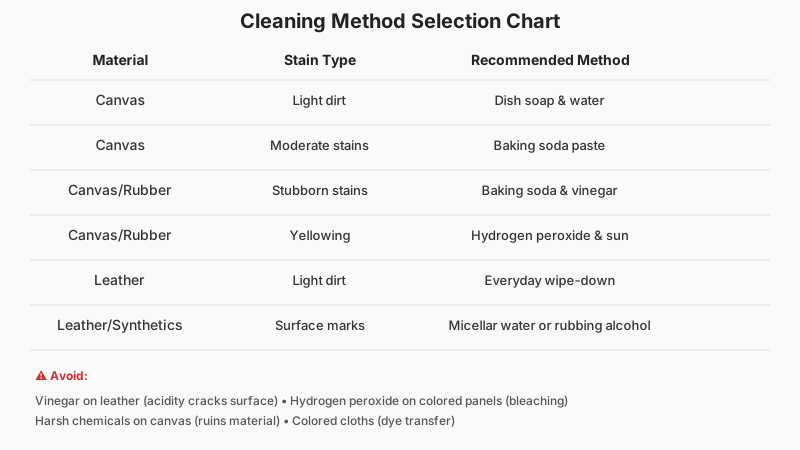
Method 1: The Everyday Wipe-Down (Leather and Synthetic)
For a quick refresh after light use, dampen a microfiber cloth with a few drops of mild dish soap diluted in lukewarm water. Wipe the shoe surface in small circular motions. Follow immediately with a clean damp cloth to remove soap residue, then stuff the shoe loosely with white paper towels and let it air dry away from direct sunlight.
This takes about five minutes and keeps white leather sneakers looking fresh between deep cleans. The key detail most people skip: the final rinse wipe. Soap left on leather dries into a dull film.
Method 2: Baking Soda and Dish Soap Paste (Canvas)
This is the workhorse method for canvas sneakers — think Converse, Vans, or any cotton-upper shoe.
Steps:
- Mix 1 tablespoon of baking soda with 1 tablespoon of mild dish soap and 1 tablespoon of lukewarm water. Stir into a paste.
- Using a soft-bristle brush, apply the paste in small circles across the upper. Pay extra attention to the toe cap and the midsole rubber edge.
- Let it sit for 3–5 minutes.
- Wipe off with a damp cloth, working outward from the center of each panel.
- Rinse the cloth and repeat until no paste residue remains.
- Stuff with paper towels and air dry in a shaded spot.
The baking soda provides mild abrasion while the soap lifts grease. It won’t bleach the canvas the way harsh chemicals can, so this is safe for repeated use.
Method 3: Baking Soda and White Vinegar (Stubborn Stains)
For set-in stains on canvas or rubber soles, a baking soda and vinegar combination creates a brief fizzing reaction that can lift grime from textured surfaces.
Steps:
- Sprinkle a small amount of baking soda directly onto the stained area.
- Dab white distilled vinegar onto the baking soda with a cloth — it will fizz briefly.
- Scrub gently with a brush while the reaction is still active.
- Wipe clean with a damp cloth and repeat if needed.
A word of caution: the vinegar smell is strong but dissipates fully once the shoe dries. Don’t use this on leather — the acidity can dry out and crack the surface over time.

This same combination is a powerhouse elsewhere in the house too, as shown in How to Clean Grout Between Tiles: Matching Grime Level To Method.
Method 4: Hydrogen Peroxide for Yellowing (Canvas and Rubber)
White canvas and rubber soles have a frustrating tendency to yellow over time — particularly if sneakers were stored in direct sunlight or sealed in a plastic box without airflow. Hydrogen peroxide (3%) can reverse mild to moderate yellowing.
Steps:
- Mix equal parts 3% hydrogen peroxide and water.
- Apply to yellowed areas with a soft brush or cloth.
- Place the shoes outside in direct sunlight for 30–60 minutes. The UV light activates the peroxide and accelerates the whitening effect.
- Rinse thoroughly and air dry in shade.
This method works remarkably well on rubber midsoles. On canvas, results vary — expect improvement, not perfection, on deeply yellowed material. Do not use this on colored panels; it will bleach them.
Method 5: Micellar Water or Rubbing Alcohol (Leather and Smooth Synthetics)
Leather sneakers — Air Force 1s, Stan Smiths, most dress-casual whites — need a gentler touch. Water-based pastes and abrasive scrubbing break down the leather’s surface coating over time.
Micellar water (the kind sold for makeup removal) is surprisingly effective on leather sneakers. It picks up surface grime and light scuffs without stripping the finish.
Steps:
- Apply micellar water to a microfiber cloth — never apply directly to the shoe.
- Wipe in short, light strokes following the natural grain of the leather.
- Buff dry with a separate clean cloth.
For ink marks or tougher spots, dab a small amount of isopropyl rubbing alcohol (70%) on a cotton ball and test on a hidden area first. Leather reacts differently across brands and finishes. After any alcohol treatment, apply a small amount of unscented leather conditioner to restore moisture.
Method 6: Machine Washing (Canvas Only — With Conditions)
Yes, you can machine wash canvas sneakers — but with strict conditions:
- Remove laces and insoles first
- Use a mesh laundry bag to protect the shoes and the machine drum
- Select a cold water, gentle cycle
- Add a small amount of liquid laundry detergent — no bleach, even on white canvas, as it can cause irreversible yellowing
- Place two or three old towels in the drum to buffer the shoes and reduce banging
- Never use the dryer — heat warps the midsole and can separate glued seams
Air dry at room temperature, stuffed with white paper towels to hold shape. Expect 12–24 hours of drying time depending on humidity.
This method is best reserved for pairs that are genuinely filthy rather than just lightly soiled. Repeated machine washing shortens the life of the shoe significantly.
Method 7: Cleaning White Suede Sneakers (Special Case)
Suede is the odd one out. Everything discussed so far — water, soap, peroxide — can permanently damage suede by matting the nap (the fine fibrous surface that gives suede its texture). Suede needs dry or near-dry methods.
What to use:
- Suede brush — a stiff rubber or brass-bristle brush designed specifically for the material
- Suede eraser — looks like a regular pencil eraser and lifts dry stains without water
- White vinegar or rubbing alcohol — applied very sparingly on a dry cloth for stubborn stains only, then brushed out once dry
Steps:
- Let any wet mud or dirt dry completely before touching the shoe.
- Once dry, brush away loose debris with the suede brush using short strokes in one direction.
- Use the suede eraser on remaining marks.
- For persistent stains, barely dampen a cloth with white vinegar, blot (don’t rub) the stain, then let dry and brush the nap back up.
If your white suede sneakers are heavily soiled, a professional shoe cleaner is genuinely worth the cost — DIY attempts on badly stained suede often spread the stain.

How to Keep White Sneakers White Longer
Cleaning is half the battle. Prevention cuts down how often you need to deep-clean:
- Apply a water and stain repellent spray before the first wear. Products like Crep Protect or Scotchgard for shoes create a barrier that makes future cleaning easier. Reapply every few weeks with regular wear.
- Rotate your pairs. Wearing the same sneakers daily accelerates surface breakdown and gives dirt less time to lift between wears.
- Store them correctly. Keep shoes in a cool, dry spot with airflow — not sealed in the original box, which traps humidity and causes yellowing. Silica gel packets inside help absorb moisture.
- Address stains immediately. A fresh scuff takes one minute to wipe off. The same scuff after 48 hours may need 20 minutes and several passes.
- Clean your laces separately every few weeks regardless of whether the shoe body needs attention. Dirty laces make clean shoes look dingy.
A Note on Commercial Sneaker Cleaners
Products like Jason Markk, Crep Cure, and Reshoevn8r are genuinely effective and formulated specifically for footwear materials. They’re worth having if you own high-end pairs or invest seriously in your sneaker collection. That said, the home methods above handle the vast majority of cleaning tasks at a fraction of the cost.
Final Thoughts
Cleaning white sneakers at home isn’t complicated, but it does require matching the method to the material. Use paste-based scrubs for canvas, gentle wiping for leather, dry tools for suede, and hydrogen peroxide for yellowing rubber. Get into the habit of quick cleanups after each wear, and you’ll extend the life of a white pair by months — sometimes years.
The one rule that applies across every method: let them air dry naturally, away from heat and direct sun. Rushing the drying process with a dryer or radiator does more damage than most stains ever would.