How to Clean and Store Camping Gear: Stop Mildew Before It Starts

Camping gear is a real investment — tents, sleeping bags, and backpacks can cost hundreds of dollars and, with proper care, last a decade or more. Most premature failures aren’t from hard use; they’re from storage. Mold, mildew, corrosion, and compressed insulation are all preventable, and the fix is mostly a matter of knowing the right steps and doing them consistently after every trip.
This guide covers the full process: cleaning each major gear category, drying it properly, and packing it away so it’s ready to perform the next time you head out.
Why Cleaning Before Storage Matters
Dirt left on gear doesn’t just look bad — it actively degrades materials. Sunscreen and insect repellent (especially DEET) break down nylon coatings and damage tent fabrics. Food oils left on cookware attract rodents in storage. Sweat salts weaken elastic and stitching over time.
The goal isn’t sterile perfection. It’s removing the specific agents that shorten gear life when locked in a closet or garage for months.
Cleaning and Storing Your Tent
After Every Trip
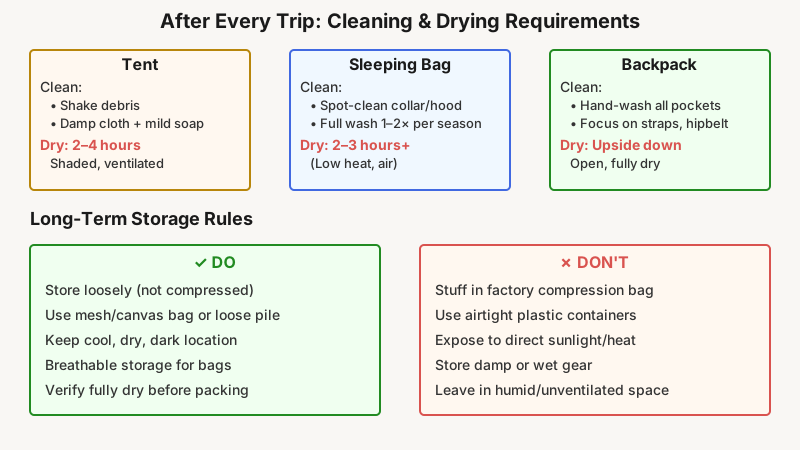
Shake out all debris inside the tent before breaking it down — pine needles, dirt, and sand act like sandpaper against floor and wall seams when the tent is compressed in its bag.
Wipe the tent body, rainfly, and footprint with a damp cloth to remove mud and grime. For stubborn spots, use a small amount of non-detergent soap (fragrance-free dish soap works fine) on a soft sponge — harsh detergents strip the DWR (durable water repellent) coating that makes rainflies shed water.
Cleaning the poles: Wipe aluminum or carbon fiber poles with a dry cloth. Check for sand inside the sections — grit inside a pole section causes wear at the joints. If the poles have shock cord, leave them fully assembled to avoid overstretching the elastic.
Drying — the Critical Step
Set the tent up or hang it loosely in a shaded, ventilated spot. Never store a damp tent — mold colonizes tent fabric quickly and produces a musty smell that’s nearly impossible to fully remove. Even a tent that feels dry to the touch can hold enough moisture in the seams to cause problems.
Allow at least 2–4 hours of air-drying time, or longer in humid conditions.
Long-Term Storage
Store your tent loosely — not stuffed into its factory sack. The compression bags that come with tents are optimized for trail transport, not storage. A large mesh laundry bag, a canvas tote, or even a loose pile in a box is better for long-term use. This prevents the polyurethane coating on the floor from developing cracks at the fold lines.
Store in a cool, dry, dark location. UV light degrades nylon and polyester even through windows, and heat accelerates coating breakdown.

Cleaning and Storing Sleeping Bags and Quilts
Spot Cleaning vs. Full Washing
Sleeping bags don’t need to be washed after every trip. Spot-clean the collar and hood (the areas that contact your face and neck directly) with a damp cloth and mild soap. A full wash once or twice per season — or when the bag genuinely smells or loses loft — is usually sufficient.
When you do wash:
- Down bags: Use a down-specific cleaner like Nikwax Down Wash or Granger’s Down Wash. Wash on a gentle cycle in a front-loading machine (top-loaders with agitators can break down baffles). Tumble dry on low heat with two or three clean tennis balls or dryer balls — these break up clumps as the down dries. Expect 2–3 hours of drying time or more.
- Synthetic bags: Use a mild detergent on a gentle cycle. They dry faster than down but should still be fully dry before storage.
Long-Term Storage
This is where most people damage their bags without realizing it. Storing a sleeping bag compressed in its stuff sack for months crushes the insulation fibers (down clusters or synthetic fill) permanently, reducing warmth and loft.
Always store sleeping bags loosely — ideally in the large mesh storage bag that quality bags include. If yours didn’t come with one, any large breathable bag works. Hang it in a closet, or lay it flat in a large bin. Never store in an airtight plastic bag, which traps residual moisture.
Cleaning and Storing Backpacks
Backpacks absorb sweat, sunscreen, and trail dirt over a season. Left unwashed, zippers corrode, straps stiffen, and pack liners degrade.
Cleaning Process
- Empty the pack completely — check every pocket, including the hydration sleeve.
- Remove the frame sheet and hipbelt padding if they’re removable.
- Hand-wash with a soft brush, warm water, and a small amount of fragrance-free soap. Pay attention to the shoulder straps, hipbelt, and back panel — these absorb the most sweat.
- Rinse thoroughly. Soap residue left in webbing can attract dirt.
- Air-dry upside down or hung open. Avoid machine drying — heat damages foam padding and coatings.
For zippers, apply a zipper lubricant (beeswax-based or a product like McNett Zipper Care) after cleaning. This prevents corrosion and keeps them moving smoothly.
Storage
Store backpacks loosely — don’t compress foam hipbelts or back panels under weight for months. Keep them in a dry spot away from rodents; foam padding is popular nesting material. If storing in a garage, elevate packs off the floor to avoid moisture wicking from concrete.

Cooking Gear: Stoves, Cookware, and Water Filters
Camp Stoves
Wipe down canister and liquid-fuel stoves after each use. For canister stoves, remove the burner head and clear the jet with a fine needle or stove-specific cleaning tool if you notice reduced flame. Store canister stoves with the fuel canister detached — storing under pressure long-term can stress valves.
Liquid-fuel stoves (like the MSR WhisperLite) need more attention: drain the fuel bottle, run the stove briefly to burn off remaining fuel in the line, and clean the generator tube and jet. MSR and other manufacturers publish maintenance schedules specific to their stoves — it’s worth following them.
Cookware
Hard-anodized aluminum and titanium pots are easy to clean with dish soap and a non-abrasive sponge. For non-stick coatings, avoid metal scrubbers — they scratch the surface and make future cleaning harder. Dry cookware completely before nesting and storing to prevent corrosion inside the pot stack.
If you also want your kitchen tools to last as long as your camp cookware, check out How to Clean and Maintain Kitchen Knives for Longevity.
Water Filters
This is the gear category most commonly neglected — and the one where neglect has real consequences. A cracked ceramic or hollow-fiber filter element can allow contaminated water through without visible evidence.
- Before end-of-season storage: Backflush your filter per the manufacturer’s instructions. For filters like the Sawyer Squeeze, this means several forceful backflushes with clean water.
- Freezing protection: Never allow a water filter to freeze after it’s been used. Freezing water inside the filter element expands and cracks the membrane. Once cracked, the filter is compromised and should be replaced.
- Long-term storage: Store filters in a sealed bag in a refrigerator if you want to keep beneficial bacteria at bay, or allow them to dry completely before storage in a dry location. Check manufacturer guidance — recommendations vary.
Footwear and Clothing
Hiking Boots and Trail Runners
Remove insoles and laces. Knock off dried mud and rinse with water. Use a soft brush to clean the midsole and upper. Stuff the boots loosely with newspaper to absorb moisture and maintain shape while drying — but remove the paper once dry to avoid odor transfer.
Condition leather boots with a boot-specific wax or conditioner before storage. Reapply DWR treatment (using a spray-on product like Nikwax Fabric & Leather Proof) to leather-and-fabric hybrid boots if water is no longer beading on the surface.
Store in a cool, dry place. Avoid plastic bags — boots need air circulation to prevent mold.
Technical Clothing
Wash rain jackets and softshells per label instructions — usually a gentle cycle with a technical fabric wash like Nikwax Tech Wash. Tumble dry on low to reactivate DWR. Avoid fabric softeners entirely; they coat fibers and destroy moisture-wicking and waterproofing properties.
Store fleece and insulated layers loosely rather than compressed. Merino wool base layers should be washed before storage — wool left with sweat salts is attractive to moths.

General Storage Principles
A few rules apply across all gear categories:
- Dry before storing. This is non-negotiable. Mold, corrosion, and degraded coatings all trace back to moisture in storage.
- Loose beats compressed. With very few exceptions, gear lasts longer stored loosely. The compression sacks are for the trail.
- Cool, dark, and dry. A climate-controlled closet or interior storage room is ideal. Attics get too hot; garages get too humid and cold. If you must use a garage, elevate gear off concrete and use sealed bins to deter pests.
- Do a pre-season check. Before your first trip of the year, pull everything out and inspect it. Check tent seams for delamination, sleeping bag loft, boot sole adhesion, and stove jet cleanliness. It’s far better to discover a problem at home than at the trailhead.
The same stop-mildew, keep-it-fresh mindset applies indoors too, as explained in How to Keep a Car Interior Clean: Stop Messes Before They Start.
Conclusion
Cleaning and storing camping gear properly takes maybe an afternoon after a big trip — a small investment compared to the cost of replacing a tent, sleeping bag, or quality pack. The core discipline is simple: clean off the things that degrade materials (dirt, sweat, DEET, food residue), dry everything completely before it goes into storage, and resist the temptation to compress gear for convenience.
Building these habits after every trip means your gear stays functional, lighter to pack (loft matters in insulation), and ready to perform whenever you head back out.